Reduce Water Use Without Losing Curb Appeal
Xeriscape in Parker for properties facing high irrigation costs, water restrictions, or drought-stressed turf
EarthWorks Landscaping and Home Services designs and installs water-efficient landscapes that replace thirsty turf and non-native plantings with drought-tolerant species, rock mulch, and irrigation systems that deliver water only where it is needed. You need xeriscaping when your water bills climb during summer, when restrictions limit how often you can irrigate, or when your lawn browns despite regular watering. This approach uses plants adapted to Colorado's climate and elevation, paired with mulch and hardscape that reduce evaporation and maintenance.
The process begins by removing turf and plants that require frequent watering, then preparing the soil and installing drip irrigation or low-volume sprinklers that target root zones instead of broadcasting water across the entire yard. In Parker, clay soil benefits from amendment in planting beds to improve drainage and root penetration, and rock mulch is layered over weed barrier to suppress growth and retain moisture. Native grasses, shrubs, and perennials are selected for their ability to survive with minimal supplemental water once established, and the layout is designed to group plants by water need so irrigation can be zoned accordingly.
Reach out to discuss how a xeriscape design can lower your water use and create a landscape that performs through dry seasons without constant attention.
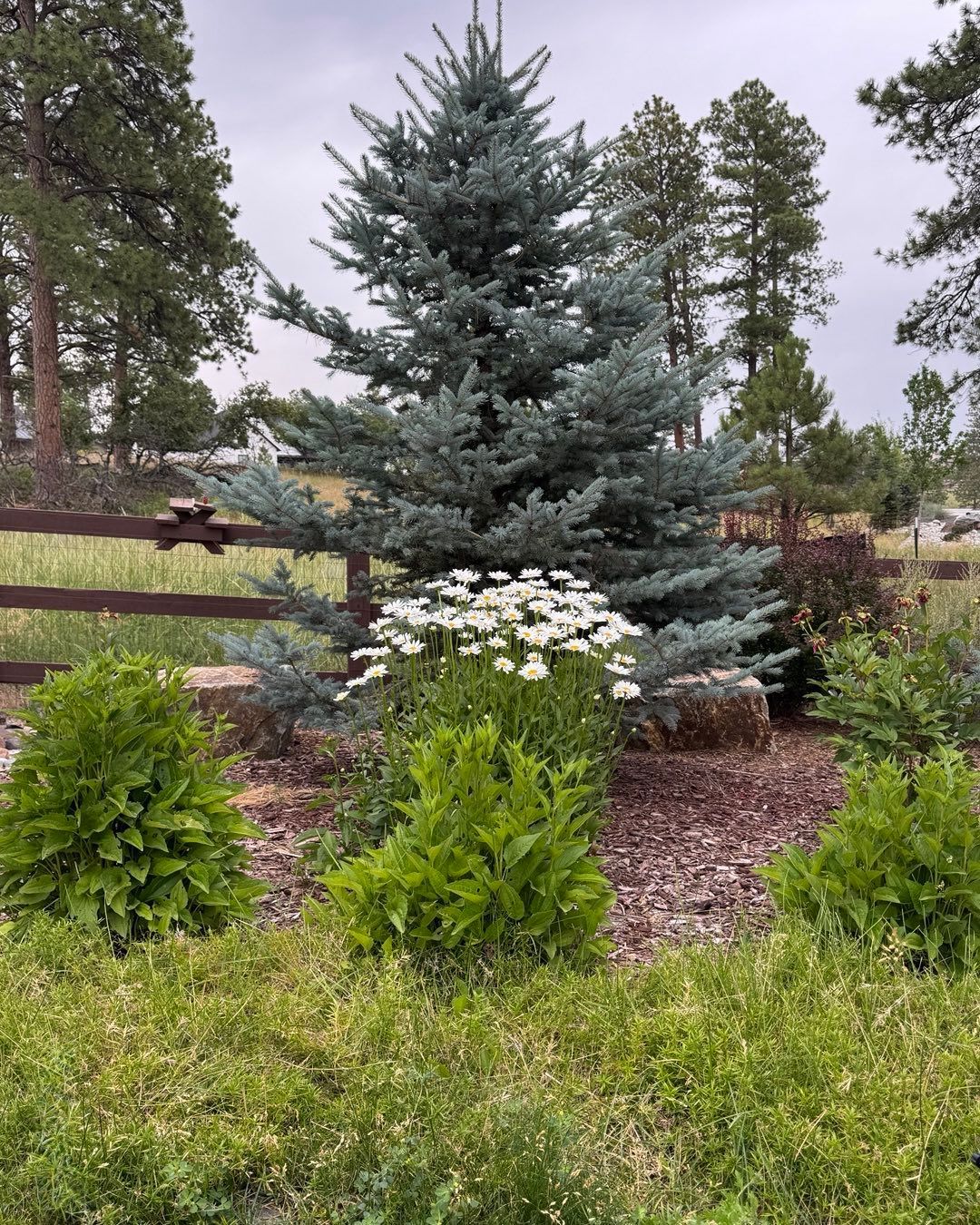
You gain a yard that stays green and healthy with a fraction of the water traditional turf and ornamental plantings demand. Rock mulch and drought-tolerant plants eliminate the need for weekly mowing and reduce the time spent on seasonal cleanup. Drip irrigation delivers water directly to roots, which reduces runoff and evaporation and keeps beds hydrated even during water restrictions. The design can include modern aesthetics with decorative rock, boulders, and ornamental grasses, or it can mimic traditional garden layouts using native species that bloom and provide texture throughout the growing season.
After installation, you will notice lower water bills, less time spent on irrigation adjustments, and plantings that do not wilt or brown when temperatures climb. EarthWorks Landscaping and Home Services selects plants that tolerate Parker's temperature swings, intense sun, and occasional late-spring freezes, and the irrigation system is programmed to water deeply and infrequently to encourage deep root growth. The rock mulch layer insulates soil, prevents weed germination, and gives the landscape a finished appearance that does not require annual replacement like organic mulches.
The project may include removing all turf or converting only high-visibility areas while leaving functional grass in play zones or dog runs. Plantings take one to two growing seasons to fully establish, and during that time supplemental watering is reduced gradually as roots reach deeper soil moisture. Xeriscape does not mean zero maintenance, but it does eliminate the frequent watering, fertilizing, and mowing that traditional landscapes require.
Questions Homeowners Ask About Xeriscaping
Residents in Parker often want to know how xeriscaping compares to traditional landscapes, what plants work, and how much water the approach saves.
What plants work in a xeriscape design?
Native grasses, yarrow, penstemon, rabbitbrush, and blue grama are common choices, along with shrubs like Apache plume and four-wing saltbush, all selected for their ability to thrive in Parker's climate with minimal irrigation once roots establish.
How much water does xeriscaping save?
Depending on the amount of turf removed and the efficiency of the new irrigation system, water use can drop by fifty to seventy percent compared to a traditional landscape, which translates to lower bills and fewer restrictions during dry years.
Why use rock mulch instead of organic mulch?
Rock does not decompose, blow away, or require annual replacement, and it reflects heat while insulating soil, which reduces evaporation and keeps root zones more stable through temperature swings common in Colorado.
When do xeriscape plantings look full and mature?
Most perennials and grasses fill in during the second growing season, and shrubs reach mature size within three to five years, depending on species and initial planting size.
What happens to existing irrigation systems?
Spray zones are often converted to drip lines or low-volume bubblers that deliver water directly to plant roots, which reduces waste and allows for more precise scheduling based on plant needs rather than blanket coverage.
Contact EarthWorks Landscaping and Home Services to schedule a consultation and review xeriscape options that fit your property layout, aesthetic preferences, and water-saving goals.